Protect Residents & Stay Ahead of Awaab’s Law

Damp, Mould & Condensation Training

Training Details

The Level 2 Award in Recognising Damp, Mould and Condensation in Buildings training equips maintenance and housing teams with the knowledge and practical skills needed to prevent, identify, and remediate damp, mould, and condensation issues in line with Awaab’s Law and upcoming 2025 regulations.

Training can be delivered in half a day for those with prior understanding of DMC or one day for individuals new to DMC. Included is face to face training (minimum of 10 delegates per course), interactive tutor presentation and workbooks.
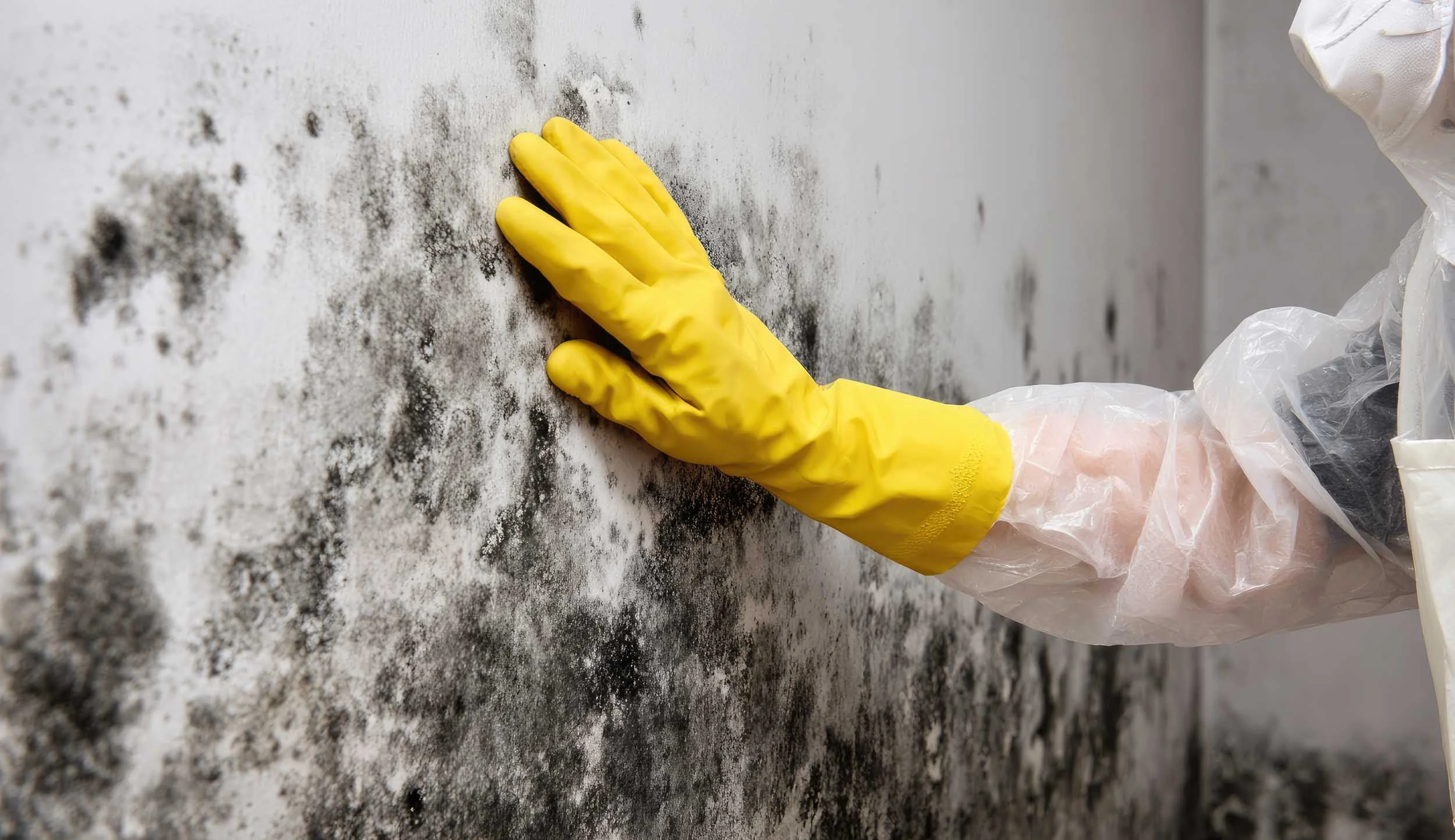
  • Ideal for: Building maintenance teams, housing officers, contractors, and compliance managers

NVQ Level 3 Award in the Inspection and Testing of Fire Stopping Installations

Course Outcomes

  • Understand Awaab’s Law timeframes and compliance requirements

  • Identify causes and early warning signs of damp, mould, and condensation

  • Apply practical investigation and remediation techniques

  • Manage tenant communication and access challenges effectively

  • Implement record-keeping and audit processes for compliance proof

  • Reduce repeat hazards with proactive maintenance strategies

The qualification is delivered face-to-face with a Tutor, whereby all required evidence is recorded in a workbook completed as part of the session.
Candidates need to be proficient in written and spoken English.

Candidates who achieve the requirements for this qualification will be awarded: ProQual Level 2 Award in Recognising Damp, Mould and Condensation in Buildings.

  • £150 per delegate | Half Day Course

  • £240 per delegate | Full Day Course

The qualification is delivered face-to-face with a Tutor, whereby all required evidence is recorded in a workbook completed as part of the session.
Candidates need to be proficient in written and spoken English.

Candidates who achieve the requirements for this qualification will be awarded: ProQual Level 2 Award in Recognising Damp, Mould and Condensation in Buildings.

  • £150 per delegate | Half Day Course

  • £240 per delegate | Full Day Course

Frequently Asked Questions

Because regulations are tightening, trained staff are better equipped to prevent health risks, respond quickly to issues, and demonstrate that their organisation is meeting legal responsibilities.

Anyone involved with property upkeep or resident contact, including repairs operatives, surveyors, housing officers, asset managers, compliance teams, and contractors working in social housing.

Yes. The ProQual Level 2 Award is widely recognised across the housing and property maintenance sector as evidence of competence in managing damp, mould and condensation risks.

Most providers include demonstrations, scenario-based discussions, and real case studies to help learners understand how to identify and deal with DMC issues effectively on site.

Yes. The training supports teams in understanding new compliance expectations, record-keeping requirements, and safe response timeframes ahead of 2025 legislation changes.

Absolutely. The one-day option is designed for beginners, while more experienced staff can take the condensed half-day version.

Yes. Many learners find this especially helpful, as effective communication reduces complaints, improves access for inspections, and supports positive resident relationships.

Definitely. Having trained and qualified staff demonstrates that your organisation is taking proactive steps to meet regulatory expectations, which can strengthen evidence during audits or investigations.

Mandatory Units
Conforming to general health, safety and welfare in the workplace
Conforming to productive working practices in the workplace
Moving, handling and storing resources in the workplace
Erecting masonry structures in the workplace
Setting out masonry structures in the workplace

Training Details

The Level 2 Award in Recognising Damp, Mould and Condensation in Buildings training equips maintenance and housing teams with the knowledge and practical skills needed to prevent, identify, and remediate damp, mould, and condensation issues in line with Awaab’s Law and upcoming 2025 regulations.

Training can be delivered in half a day for those with prior understanding of DMC or one day for individuals new to DMC. Included is face to face training (minimum of 10 delegates per course), interactive tutor presentation and workbooks.

  • Ideal for: Building maintenance teams, housing officers, contractors, and compliance managers

NVQ Level 3 Award in the Inspection and Testing of Fire Stopping Installations

Course Outcomes

  • Understand Awaab’s Law timeframes and compliance requirements

  • Identify causes and early warning signs of damp, mould, and condensation

  • Apply practical investigation and remediation techniques

  • Manage tenant communication and access challenges effectively

  • Implement record-keeping and audit processes for compliance proof

  • Reduce repeat hazards with proactive maintenance strategies

The qualification is delivered face-to-face with a Tutor, whereby all required evidence is recorded in a workbook completed as part of the session.
Candidates need to be proficient in written and spoken English.

Candidates who achieve the requirements for this qualification will be awarded: ProQual Level 2 Award in Recognising Damp, Mould and Condensation in Buildings.

  • £150 per delegate | Half Day Course
  • £240 per delegate | Full Day Course

Frequently Asked Questions

Because regulations are tightening, trained staff are better equipped to prevent health risks, respond quickly to issues, and demonstrate that their organisation is meeting legal responsibilities.

Anyone involved with property upkeep or resident contact, including repairs operatives, surveyors, housing officers, asset managers, compliance teams, and contractors working in social housing.

Yes. The ProQual Level 2 Award is widely recognised across the housing and property maintenance sector as evidence of competence in managing damp, mould and condensation risks.

Most providers include demonstrations, scenario-based discussions, and real case studies to help learners understand how to identify and deal with DMC issues effectively on site.

Yes. The training supports teams in understanding new compliance expectations, record-keeping requirements, and safe response timeframes ahead of 2025 legislation changes.

Absolutely. The one-day option is designed for beginners, while more experienced staff can take the condensed half-day version.

Yes. Many learners find this especially helpful, as effective communication reduces complaints, improves access for inspections, and supports positive resident relationships.

Definitely. Having trained and qualified staff demonstrates that your organisation is taking proactive steps to meet regulatory expectations, which can strengthen evidence during audits or investigations.

More Information

Training Details

The Level 2 Award in Recognising Damp, Mould and Condensation in Buildings training equips maintenance and housing teams with the knowledge and practical skills needed to prevent, identify, and remediate damp, mould, and condensation issues in line with Awaab’s Law and upcoming 2025 regulations.

Training can be delivered in half a day for those with prior understanding of DMC or one day for individuals new to DMC. Included is face to face training (minimum of 10 delegates per course), interactive tutor presentation and workbooks.

  • Ideal for: Building maintenance teams, housing officers, contractors, and compliance managers

NVQ Level 3 Award in the Inspection and Testing of Fire Stopping Installations

Course Outcomes

  • Understand Awaab’s Law timeframes and compliance requirements

  • Identify causes and early warning signs of damp, mould, and condensation

  • Apply practical investigation and remediation techniques

  • Manage tenant communication and access challenges effectively

  • Implement record-keeping and audit processes for compliance proof

  • Reduce repeat hazards with proactive maintenance strategies

The qualification is delivered face-to-face with a Tutor, whereby all required evidence is recorded in a workbook completed as part of the session.
Candidates need to be proficient in written and spoken English.

Candidates who achieve the requirements for this qualification will be awarded: ProQual Level 2 Award in Recognising Damp, Mould and Condensation in Buildings.

  • £150 per delegate | Half Day Course

  • £240 per delegate | Full Day Course

This qualification is competence-based; candidates must demonstrate the level of competence described in the unit. Assessment is the process of measuring a candidate’s skills, knowledge, and understanding against the standards set for the qualification.

An appropriately experienced and qualified assessor must assess the qualification and internally quality assured. Each candidate is required to demonstrate their achievement of all of the learning outcomes and assessment criteria through an appropriate assessment method.

Centres should carry out an initial assessment of candidate skills and knowledge to identify any gaps and help plan the assessment.

Candidates who achieve the requirements for this qualification will be awarded: ProQual Level 2 Award in Recognising Damp, Mould and Condensation in Buildings.

  • £150 per delegate | Half Day Course

  • £240 per delegate | Full Day Course

Frequently Asked Questions

Because regulations are tightening, trained staff are better equipped to prevent health risks, respond quickly to issues, and demonstrate that their organisation is meeting legal responsibilities.

Anyone involved with property upkeep or resident contact, including repairs operatives, surveyors, housing officers, asset managers, compliance teams, and contractors working in social housing.

Yes. The ProQual Level 2 Award is widely recognised across the housing and property maintenance sector as evidence of competence in managing damp, mould and condensation risks.

Most providers include demonstrations, scenario-based discussions, and real case studies to help learners understand how to identify and deal with DMC issues effectively on site.

Yes. The training supports teams in understanding new compliance expectations, record-keeping requirements, and safe response timeframes ahead of 2025 legislation changes.

Absolutely. The one-day option is designed for beginners, while more experienced staff can take the condensed half-day version.

Yes. Many learners find this especially helpful, as effective communication reduces complaints, improves access for inspections, and supports positive resident relationships.

Definitely. Having trained and qualified staff demonstrates that your organisation is taking proactive steps to meet regulatory expectations, which can strengthen evidence during audits or investigations.

Mandatory Units
Conforming to general health, safety and welfare in the workplace
Conforming to productive working practices in the workplace
Moving, handling and storing resources in the workplace
Erecting masonry structures in the workplace
Setting out masonry structures in the workplace

Training Details

The Level 2 Award in Recognising Damp, Mould and Condensation in Buildings training equips maintenance and housing teams with the knowledge and practical skills needed to prevent, identify, and remediate damp, mould, and condensation issues in line with Awaab’s Law and upcoming 2025 regulations.

Training can be delivered in half a day for those with prior understanding of DMC or one day for individuals new to DMC. Included is face to face training (minimum of 10 delegates per course), interactive tutor presentation and workbooks.

  • Ideal for: Building maintenance teams, housing officers, contractors, and compliance managers

NVQ Level 3 Award in the Inspection and Testing of Fire Stopping Installations

Course Outcomes

  • Understand Awaab’s Law timeframes and compliance requirements

  • Identify causes and early warning signs of damp, mould, and condensation

  • Apply practical investigation and remediation techniques

  • Manage tenant communication and access challenges effectively

  • Implement record-keeping and audit processes for compliance proof

  • Reduce repeat hazards with proactive maintenance strategies

This qualification is competence-based; candidates must demonstrate the level of competence described in the unit. Assessment is the process of measuring a candidate’s skills, knowledge, and understanding against the standards set for the qualification.

An appropriately experienced and qualified assessor must assess the qualification and internally quality assured. Each candidate is required to demonstrate their achievement of all of the learning outcomes and assessment criteria through an appropriate assessment method.

Centres should carry out an initial assessment of candidate skills and knowledge to identify any gaps and help plan the assessment.

Candidates who achieve the requirements for this qualification will be awarded: ProQual Level 2 Award in Recognising Damp, Mould and Condensation in Buildings.

  • £150 per delegate | Half Day Course
  • £240 per delegate | Full Day Course

Frequently Asked Questions

Because regulations are tightening, trained staff are better equipped to prevent health risks, respond quickly to issues, and demonstrate that their organisation is meeting legal responsibilities.

Anyone involved with property upkeep or resident contact, including repairs operatives, surveyors, housing officers, asset managers, compliance teams, and contractors working in social housing.

Yes. The ProQual Level 2 Award is widely recognised across the housing and property maintenance sector as evidence of competence in managing damp, mould and condensation risks.

Most providers include demonstrations, scenario-based discussions, and real case studies to help learners understand how to identify and deal with DMC issues effectively on site.

Yes. The training supports teams in understanding new compliance expectations, record-keeping requirements, and safe response timeframes ahead of 2025 legislation changes.

Absolutely. The one-day option is designed for beginners, while more experienced staff can take the condensed half-day version.

Yes. Many learners find this especially helpful, as effective communication reduces complaints, improves access for inspections, and supports positive resident relationships.

Definitely. Having trained and qualified staff demonstrates that your organisation is taking proactive steps to meet regulatory expectations, which can strengthen evidence during audits or investigations.

More Information

Discover Our NVQ Courses

Share This Training

Share This Training

Discover Our NVQ Courses

Share This Training

Share This Training

Contact Us

If you have a question about our courses, need help with funding options, or want to talk through your training goals, we’re here to help.


Free Review Check

Not sure if you’re eligible? Contact us to find out.

Funding & Grants Advice

We’ll help you understand the options available to you.

Contact Us

If you have a question about our courses, need help with funding options, or want to talk through your training goals, we’re here to help.

Free Review Check

Not sure if you’re eligible? Contact us to find out.

Funding & Grants Advice

We’ll help you understand the options available to you.