NVQ Level 5
Advance your specialist expertise with Level 5 construction qualifications in lifting operations planning and passive fire protection inspection, designed around the demands of your professional role.
NVQ Level 5 Construction Qualifications
Complex lifting operations and passive fire protection inspections demand specialist knowledge, careful judgement and a thorough understanding of industry standards. Level 5 construction qualifications provide a way for professionals working in these fields to demonstrate the technical expertise and responsibilities associated with their roles.
Skills Solutions Group offers two specialist pathways: the Level 5 NVQ Diploma in Controlling Lifting Operations (Planning Lifts) and the Level 5 Diploma in Passive Fire Protection Inspection. Each qualification addresses a distinct area of construction practice, with assessment focused on the knowledge, decisions and occupational competence required in the relevant specialism.
Focus: Specialist competence in planning lifting operations or inspecting passive fire protection systems, with an emphasis on technical standards, safety and professional responsibility.
Equivalent: Level 5 sits at the same qualification level as a foundation degree or Higher National Diploma (HND), although these qualifications differ in their content and assessment methods.
- Ideal for: Experienced lifting operations professionals and passive fire protection inspectors whose responsibilities align with the requirements of their chosen qualification.
What Is an NVQ Level 5?
At Level 5, vocational qualifications address occupations where specialist knowledge, independent judgement and responsibility for complex activities are essential. In construction, this can involve developing safe lifting plans, evaluating technical information or inspecting work against established safety and performance requirements.
An NVQ at this level measures competence against occupational standards, drawing on evidence of how candidates fulfil their responsibilities in practice. However, not every Level 5 vocational diploma is formally an NVQ. Skills Solutions Group’s qualifications in Controlling Lifting Operations (Planning Lifts) and Passive Fire Protection Inspection cover different specialisms and have their own assessment requirements.
What Is an NVQ Level 5 Equivalent To?
In England, Level 5 qualifications occupy the same framework level as a foundation degree, Higher National Diploma (HND) or Diploma of Higher Education (DipHE). They sit above Level 4 qualifications, including HNCs, and below Level 6 qualifications, such as bachelor’s degrees.
This comparison describes the level of knowledge, skills and complexity involved, not an automatic equivalence in academic credits, course content or professional recognition. A Level 5 vocational qualification may demonstrate advanced competence in a particular occupation without being interchangeable with a university qualification.
For the official comparison, consult the GOV.UK guide to qualification levels.
Who Can Complete a Level 5 Construction Qualification?
Level 5 construction qualifications are intended for professionals whose work involves specialist technical responsibilities and the application of industry-specific standards. Candidates should already have experience in their chosen field, with opportunities to demonstrate the knowledge, judgement and practical competence required by the qualification.
Eligibility depends on the course and the duties you undertake. For lifting operations, this means having suitable involvement in planning and coordinating lifts. For passive fire protection inspection, candidates need relevant inspection responsibilities and an understanding of the systems and standards they assess. Skills Solutions Group can help determine which qualification aligns with your experience.
Who Are Level 5 Construction Qualifications Suitable For?
Appointed Persons for Lifting Operations
Professionals already supervising day-to-day construction activities, coordinating operatives and ensuring work is completed to the required standards.
Fire Safety and Quality Assurance Professionals
Experienced professionals whose responsibilities include evaluating passive fire protection work, reviewing inspection findings and supporting compliance and quality assurance processes.
Lifting Operations Planners
Individuals involved in preparing and coordinating lifting activities, evaluating site conditions and ensuring proposed operations meet the relevant technical and safety requirements.
Passive Fire Protection Inspectors
Specialists who inspect passive fire protection installations, assess compliance with relevant specifications and standards, and identify defects or areas requiring corrective action.
Construction Competence Cards and Professional Recognition
In specialist construction roles, demonstrating competence involves more than holding a qualification. Employers and principal contractors may also require appropriate industry cards, evidence of technical training and confirmation that individuals meet the standards expected for their responsibilities.
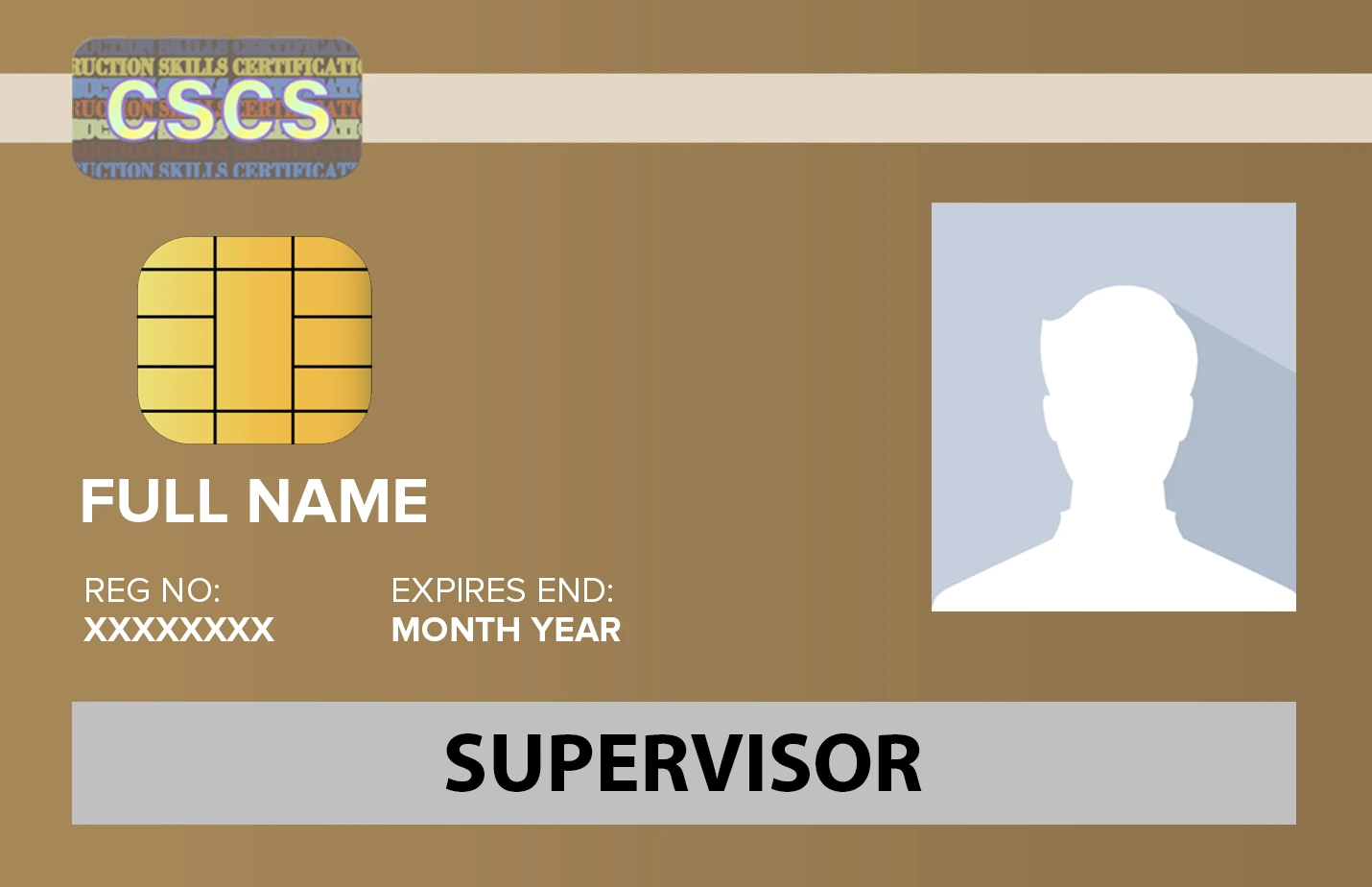
For professionals involved in lifting operations planning or passive fire protection inspection, the relevant certification depends on the work being undertaken. A Level 5 qualification can provide valuable evidence of occupational competence, but it does not automatically guarantee eligibility for a particular CSCS or CPCS card.
Lifting Operations: Appointed Persons may require a CPCS Appointed Person (Lifting Operations) card or another recognised form of competence certification, depending on employer and site requirements.
Passive Fire Protection: Inspectors may need to demonstrate relevant qualifications, specialist technical knowledge and compliance with the competence requirements applicable to their inspection activities.
Qualification Recognition: The Level 5 qualifications offered by Skills Solutions Group provide evidence of competence within their respective specialist disciplines, subject to the requirements of the awarding body.
Card Eligibility: Industry card applications may involve additional training, testing, occupational qualifications or experience. Requirements and validity periods vary between schemes and occupations.
For lifting operations, the NOCN Job Cards website provides information about CPCS cards and the relevant application requirements. Candidates should confirm their specific eligibility before applying.
How Are Level 5 Construction Qualifications Assessed?
Assessment at Level 5 examines how effectively you apply specialist knowledge, interpret technical requirements and make informed decisions within your occupation. The evidence required will differ between lifting operations planning and passive fire protection inspection, reflecting the distinct responsibilities and assessment standards of each qualification.
Demonstrating Specialist Competence
Your assessor will evaluate evidence relevant to your chosen qualification. For lifting operations planning, this may include lifting plans, risk assessments, equipment selection and the consideration of site conditions. Passive fire protection inspection candidates may need to demonstrate how they examine installations, identify defects, interpret specifications and document their findings.
Assessment That Fits Your Professional Role
Assessment arrangements are determined by the qualification requirements and your individual circumstances. Depending on the course, these may involve professional discussions, technical documentation, workplace observations or other practical assessments. Your assessor will explain the required activities and help you plan your progress around your professional commitments.
What Evidence Do You Need for a Level 5 Construction Qualification?
The evidence required for a Level 5 construction qualification depends on your chosen specialism and the occupational standards being assessed. For lifting operations planning and passive fire protection inspection, this often involves technical records, documented decisions and examples of how you apply relevant safety and quality requirements in practice.
Lifting Plans and Technical Assessments: For lifting operations candidates, documented lifting plans, equipment specifications, load calculations and assessments of site conditions can help demonstrate how you prepare and evaluate lifting activities.
Inspection Reports and Findings: Passive fire protection inspection candidates may provide inspection reports, photographic records, defect descriptions and recommendations that demonstrate how they assess installations against applicable specifications and standards.
Supervisory and Planning Records: Relevant risk assessments, method statements and supporting safety records can demonstrate how hazards are identified, technical requirements are considered and appropriate precautions are incorporated into specialist activities.
Technical Specifications and Compliance Records: Drawings, manufacturer information, installation specifications and compliance documentation may help establish how you interpret technical requirements and evaluate whether work meets the necessary standards.
Professional Discussions and Competence Verification: Your assessor may use structured discussions, workplace observations or supporting testimony to explore your technical decisions, confirm your responsibilities and establish that you meet the qualification’s assessment criteria.
Not every candidate will need all these evidence types. Your assessor will confirm what is appropriate for your qualification and help identify any additional evidence required to demonstrate your competence.
How Do You Get a Level 5 Construction Qualification?
Obtaining a Level 5 construction qualification begins with establishing that your experience and professional responsibilities meet the requirements of your chosen course. Skills Solutions Group will guide you through enrolment and assessment, helping you understand what is expected and how to demonstrate the specialist competence required for successful completion.
Undertake A Free Training Needs Analysis
Other NVQ Levels
NVQ Level 5 Construction Qualifications
Complex lifting operations and passive fire protection inspections demand specialist knowledge, careful judgement and a thorough understanding of industry standards. Level 5 construction qualifications provide a way for professionals working in these fields to demonstrate the technical expertise and responsibilities associated with their roles.
Skills Solutions Group offers two specialist pathways: the Level 5 NVQ Diploma in Controlling Lifting Operations (Planning Lifts) and the Level 5 Diploma in Passive Fire Protection Inspection. Each qualification addresses a distinct area of construction practice, with assessment focused on the knowledge, decisions and occupational competence required in the relevant specialism.
Focus: Specialist competence in planning lifting operations or inspecting passive fire protection systems, with an emphasis on technical standards, safety and professional responsibility.
Equivalent: Level 5 sits at the same qualification level as a foundation degree or Higher National Diploma (HND), although these qualifications differ in their content and assessment methods.
Ideal for: Experienced lifting operations professionals and passive fire protection inspectors whose responsibilities align with the requirements of their chosen qualification.
How NVQs Are Assessed
Frequently Asked Questions
Can You Get Funding for a Level 5 Construction Qualification?
Depending on your employment circumstances and chosen course, you may be able to access financial assistance towards a specialist Level 5 qualification. CITB grants may also be available to eligible registered employers for approved qualifications, subject to current scheme requirements.
Skills Solutions Group can help you explore potential funding routes and understand which options may apply to your chosen qualification.
Choosing the Right Level 5 Construction Qualification
Which Level 5 qualification is right for you depends on the technical responsibilities you carry out, not simply your experience within the construction industry. Lifting operations planning and passive fire protection inspection involve different risks, working practices and professional standards.
The comparison highlights the main areas of competence covered by each pathway. Whether you’re responsible for developing lifting plans or evaluating passive fire protection installations, your chosen qualification should correspond to the work you undertake and the evidence you can provide.
Planning and Controlling Lifting Operations
The lifting operations qualification focuses on preparing safe lifting plans, evaluating site conditions and selecting suitable lifting methods and equipment. It is relevant to professionals responsible for planning and coordinating lifting activities.
Assessing Lifting Risks and Technical Requirements
Candidates working in lifting operations must demonstrate how they consider load characteristics, equipment capabilities, site constraints and potential hazards when developing lifting plans that meet operational and safety requirements.
Inspecting Passive Fire Protection Systems
The passive fire protection qualification addresses the inspection of systems designed to restrict the spread of fire and smoke within buildings. It is relevant to professionals who examine installations and evaluate their conformity with applicable specifications and standards.
Identifying Defects and Reporting Compliance
Passive fire protection inspectors must be able to recognise installation defects, document inspection findings and communicate issues that may affect fire safety performance or require corrective action.

How Can a Level 5 Qualification Support Your Career?
Specialist expertise is increasingly important in construction roles involving technical decisions, safety and regulatory compliance. A Level 5 qualification can strengthen your professional credentials, demonstrate occupational competence and support opportunities for greater responsibility within your field.
For lifting operations professionals, the Level 5 NVQ in Controlling Lifting Operations (Planning Lifts) can support career development in complex lift planning, risk management and operational coordination.
The Level 5 Diploma in Passive Fire Protection Inspection provides recognition of specialist inspection competence, supporting professional development in fire safety, quality assurance and building compliance.

NVQ Level 5 Frequently Asked Questions
Under England’s qualifications framework, Level 5 is equivalent in qualification level to a foundation degree, Higher National Diploma (HND) or Diploma of Higher Education (DipHE). It sits above Level 4 qualifications, such as HNCs, and below Level 6 qualifications, which include bachelor’s degrees.
These qualifications represent a comparable level of complexity, but they are not interchangeable. An NVQ assesses competence within a specific occupation, while academic qualifications may involve different subjects, learning methods and assessment requirements.
No, completing Level 4 is not necessarily a prerequisite for a Level 5 construction qualification. Entry requirements are determined by the individual course, and relevant professional experience may be more important than holding a qualification at the preceding level.
Skills Solutions Group can review your current responsibilities and experience to help establish whether you meet the requirements for your chosen Level 5 qualification.
If you’re responsible for developing lifting plans, assessing lifting risks and determining safe lifting arrangements, the Level 5 NVQ Diploma in Controlling Lifting Operations (Planning Lifts) may be appropriate.
If your work involves inspecting passive fire protection installations, identifying defects and evaluating compliance with technical requirements, explore the Level 5 Diploma in Passive Fire Protection Inspection.
Your existing responsibilities and experience will help determine which qualification is suitable.
There is no single completion timeframe for every Level 5 qualification. The duration depends on the course requirements, your professional experience, the evidence already available and how quickly outstanding assessments can be completed.
Candidates with substantial experience in their specialist occupation may already have relevant documentation that can contribute towards assessment. Skills Solutions Group can provide guidance on a realistic timeframe once your circumstances and chosen qualification have been reviewed.
A relevant Level 5 qualification may contribute towards meeting the occupational competence requirements for certain industry cards, but it does not automatically guarantee eligibility for a CSCS or CPCS card.
For lifting operations professionals, the CPCS Appointed Person category may be relevant, depending on the work undertaken and the scheme’s current testing and qualification requirements. Passive fire protection inspectors should confirm which competence cards or certifications are appropriate for their specific occupation.
Card eligibility is determined by the relevant scheme, so it is important to check the requirements before applying.
Many candidates work towards vocational qualifications alongside their existing employment, particularly when their professional responsibilities provide opportunities to demonstrate the required competencies.
For the Level 5 NVQ in Controlling Lifting Operations, assessment can draw on relevant lifting plans, technical documentation and decisions made during your normal work. Passive Fire Protection Inspection has its own assessment requirements, which may include practical or knowledge-based activities.
Skills Solutions Group can explain how assessment is organised for your chosen qualification and whether it can be accommodated around your working commitments.
Level 5 qualification fees vary according to the course and its assessment requirements. As lifting operations planning and passive fire protection inspection involve different specialist activities, pricing should be confirmed for the individual qualification.
Employer contributions or industry funding may help towards the cost in some circumstances. CITB-registered employers may also be eligible for grants towards approved qualifications, subject to current scheme rules and eligibility criteria.
Visit our construction qualification funding page to explore potential support, or contact Skills Solutions Group for course-specific pricing and advice.
Contact Us
If you have a question about our training courses, need help with funding options, or want to talk through your training goals, we’re here to help.
Free Review Check
Not sure if you’re eligible? Contact us to find out.
Funding & Grants Advice
We’ll help you understand the options available to you.